What is Structural Audit?
The meaning of ‘structural audit’ is an examination of the overall health of a building to ensure that it is safe, risk-free and habitable. The purpose of a structural audit is to correctly identify parts or sections of a building that may be in need of immediate repair, renovation or replacement. Structural audits are performed by licensed consultants who have the required expertise in civil construction and are empanelled with the government authorities.
Purpose of Structural Audit
To enhance the overall lifecycle of the building, its components need to be periodically examined so that there is no danger to its inhabitants. Areas in need of crucial repairs need to be identified to employ corrective measures so that the day-to-day life of the residents is not inconvenienced on account of unexpected leakages or breakages.
In the probable scenario that the builder has cut corners and left any sections of a building prone to collapse or faster dilapidation, a structural audit is your best bet to avert any disasters. Even if the building is relatively sound in its basic framework, it is likely that during a preceding repair or renovation, less than ideal quality materials were used that have led to further damage or leakage. In cases where continuous neglect from the stakeholders persists, it may happen that a massive redevelopment project needs to be undertaken, costing the residents exorbitant amount of money. A structural audit is a highly recommended preventive measure to avoid any calamitous eventualities altogether.

What are the stages of a structural Audit
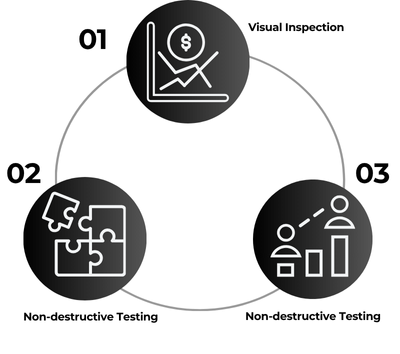
The first stage of a structural audit consists of a visual inspection that should lead to the identification of defects, material degradation, deformation of any sections or interior components. If alterations, additions or replacements are needed, they should be identified during the visual inspection too.
All the elements of the building are examined, including but not limited to, columns, beams, slabs, balconies, false ceilings, roofs, parapets, railings, rooms, bathrooms, kitchens, lofts, mezzanine floors, stairways, water tanks, storage, plumbing lines, drainage lines. These inspections are carried out in order to ascertain cracks/deflections in retaining walls, leakages, and concrete durability. Dampness in the walls is also inspected along with varying loads on the structure that may have occurred. Additionally, soil bearing capacity is determined through pit trials or from soil data of the vicinity.
The structural integrity of a building is initially determined by the visual inspection; however, the strength and durability of concrete is an essential factor that decides its longevity and safety. For this purpose, non-destructive testing (NDT) should be carried out to check concrete strength, chemical attack resistance, corrosion assessment, among other things. Below are the common techniques to assess whether your building’s concrete will stand the test of time.